



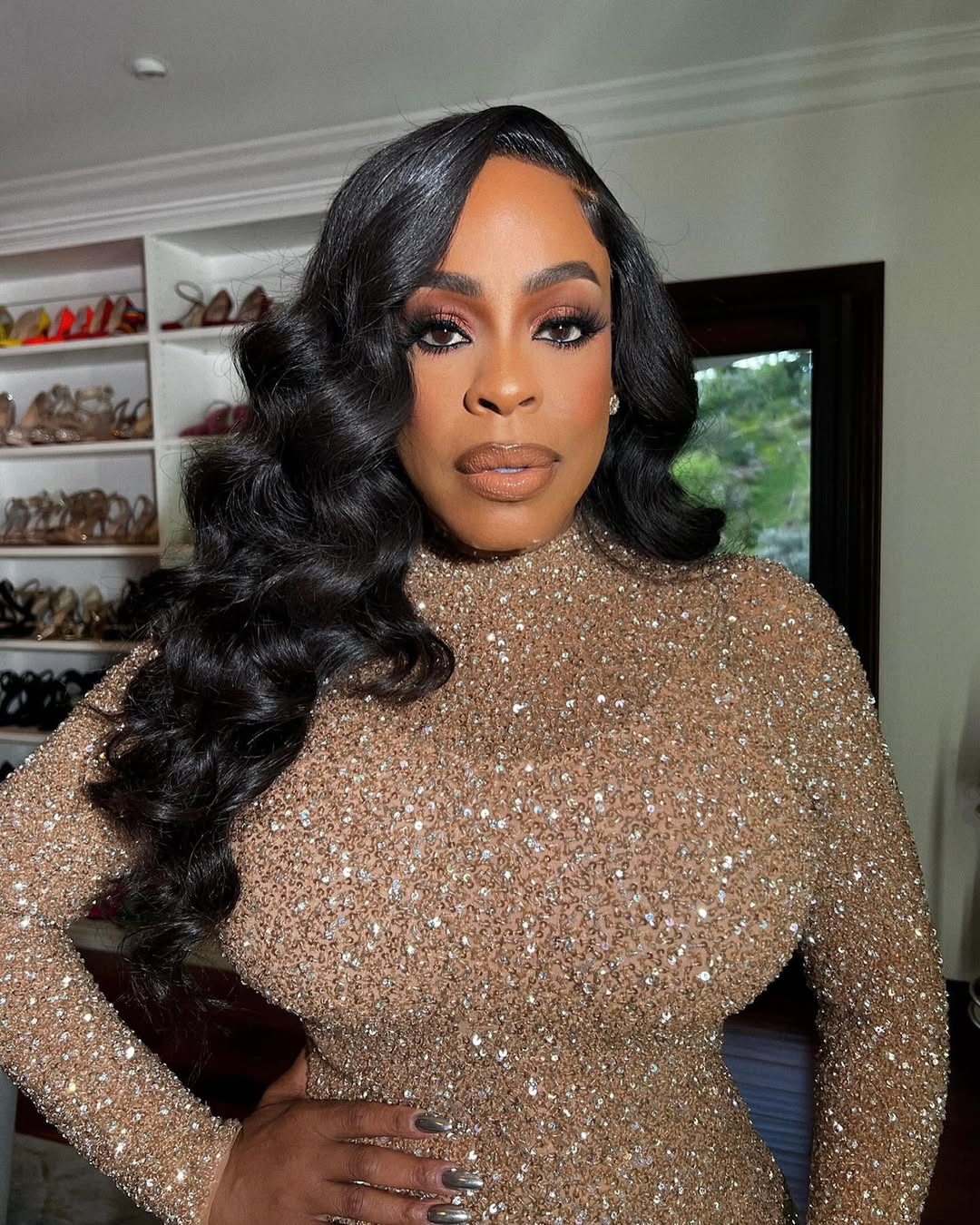
Niecy Nash has social media buzzing. The Emmy-winning actress recently claimed that more women over 40 are finding themselves attracted to other women, and the internet has plenty to say about it.
Nash, 55, knows this journey firsthand. She was married twice to men before marrying singer Jessica Betts in 2020. Since then, she’s been open about finding her soulmate, regardless of gender. “I don’t think it’s about the gender that makes it special,” she said. “I just met my soulmate”.
The conversation has split online opinion. Some women say age brings clarity and confidence, a chance to stop living according to expectations and start living authentically. For them, coming out later in life is about finally honoring a truth they’ve carried for years.
Others believe this has less to do with sexuality and more to do with frustration, disappointment, and exhaustion in relationships with men. Critics argue that attraction doesn’t suddenly change after 40, and that people might be confusing emotional comfort with romantic attraction.
Research suggests Nash may be onto something. Studies show women are more likely than men to change how they identify sexually as they age. More women in their 40s and 50s are questioning their sexuality and dating the same sex for the first time.
Experts call this the “late-blooming lesbian” phenomenon. Dr. Lisa Diamond’s research found that as women age, they have more opportunities to become expansive in their thinking and exploration of sexuality. Same-sex marriage wasn’t always accessible, and many women grew up without positive examples of queer relationships.
Nash doesn’t label her sexuality. When her daughter pressed her to identify, she famously said: “If I have to coin it in the moment, I’d say I’m Jess-sexual. I’ve never looked at anyone, male or female, and seen them the way I see her”.
She’s been clear that her past relationships weren’t a lie. “I loved the people who I loved when I was with them. I wasn’t living a lie”. The “Claws” star says going from ally to “card-carrying member” of the LGBTQ+ community wasn’t about repression, it was about meeting the right person.
The debate rages on. Is this a genuine awakening, or simply exhaustion with traditional relationship dynamics? For Nash, the answer is personal. She describes her love for Betts as “profoundly affirming and healing”. One thing is clear: the conversation has sparked opinions, and it’s not going away anytime soon.