



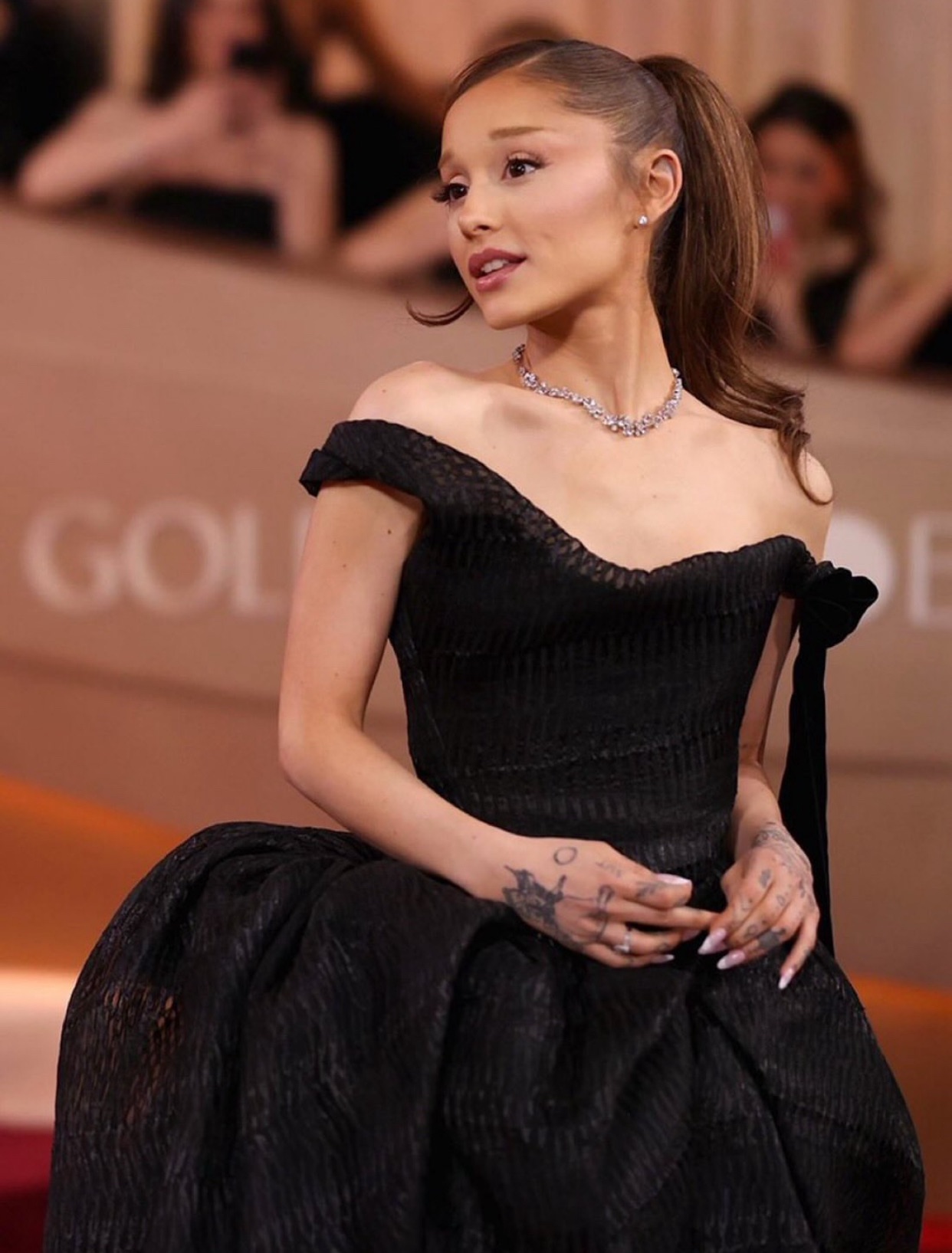
The often-bizarre world of celebrity impersonation has a stunning new development. Multi-platinum superstar Ariana Grande has officially addressed the viral doppelgänger community with unprecedented empathy. For years, the singer has been surrounded by a dedicated group of internet creators who make a living by meticulously replicating her exact physical appearance, high ponytail, and trademark makeup. While the boundary between tribute and imitation remains intensely debated, new documentary evidence sheds crucial light on the star’s personal feelings regarding her online clones.
A highly anticipated new documentary takes a deep dive into the unique challenges of modern celebrity life, specifically exploring the viral phenomenon of internet look-alikes. The production prominently features Paige Niemann, who is arguably the most famous of Ariana Grande’s TikTok clones, amassing millions of followers by creating hyper-accurate recreations of the singer’s most famous looks and eras.
The documentary meticulously charts the complex timeline of interactions between the real star and her viral imitator. From initial polite exchanges to public call-outs regarding discomfort, the production provides necessary context to the evolving relationship. While public spats and criticisms regarding “degrading value” have dominated past headlines, the documentary prioritizes nuance by releasing never-before-seen communications.
The climax of the documentary’s investigation reveals the actual message Ariana Grande sent to her impersonator, Paige Niemann. In a complete departure from recent public conflicts, this newly released private direct message showcases the singer’s profound sense of empathy. Rather than condemning the imitation, the star offered unexpected and gentle words of encouragement, gently guiding her doppelgänger to discover her own unique identity.
“I am flattered and I am sure you’re very sweet. But I just wanted you to know, I looked back a little ways on your page and I think someone should tell you if they haven’t today that you’re very beautiful as YOURSELF without all the make up and trying to make your face look similar to someone else’s and whatnot. I had to say it because IT IS THE TRUTH. Always do what makes you happy of course but if I didn’t say that to you, I’d regret it. You’re beautiful as you are. Take care.”
Immediately reshapes the public narrative surrounding the feud. This new context proves that the real singer’s initial intentions were rooted in encouraging self-acceptance rather than issuing cease-and-desist orders.
The powerful statement centers on the profound idea that authentic beauty comes from within, not from a perfectly executed imitation of a public figure. In an online culture that often prioritizes manufactured perfection and derivative content, the powerhouse vocalist’s genuine plea for her clone to celebrate her own face serves as a much-needed anthem for authenticity. As internet creators continue to blur the lines of identity, the core message of this powerful documentary stands as a beautiful reminder of the value found in simply being yourself.