



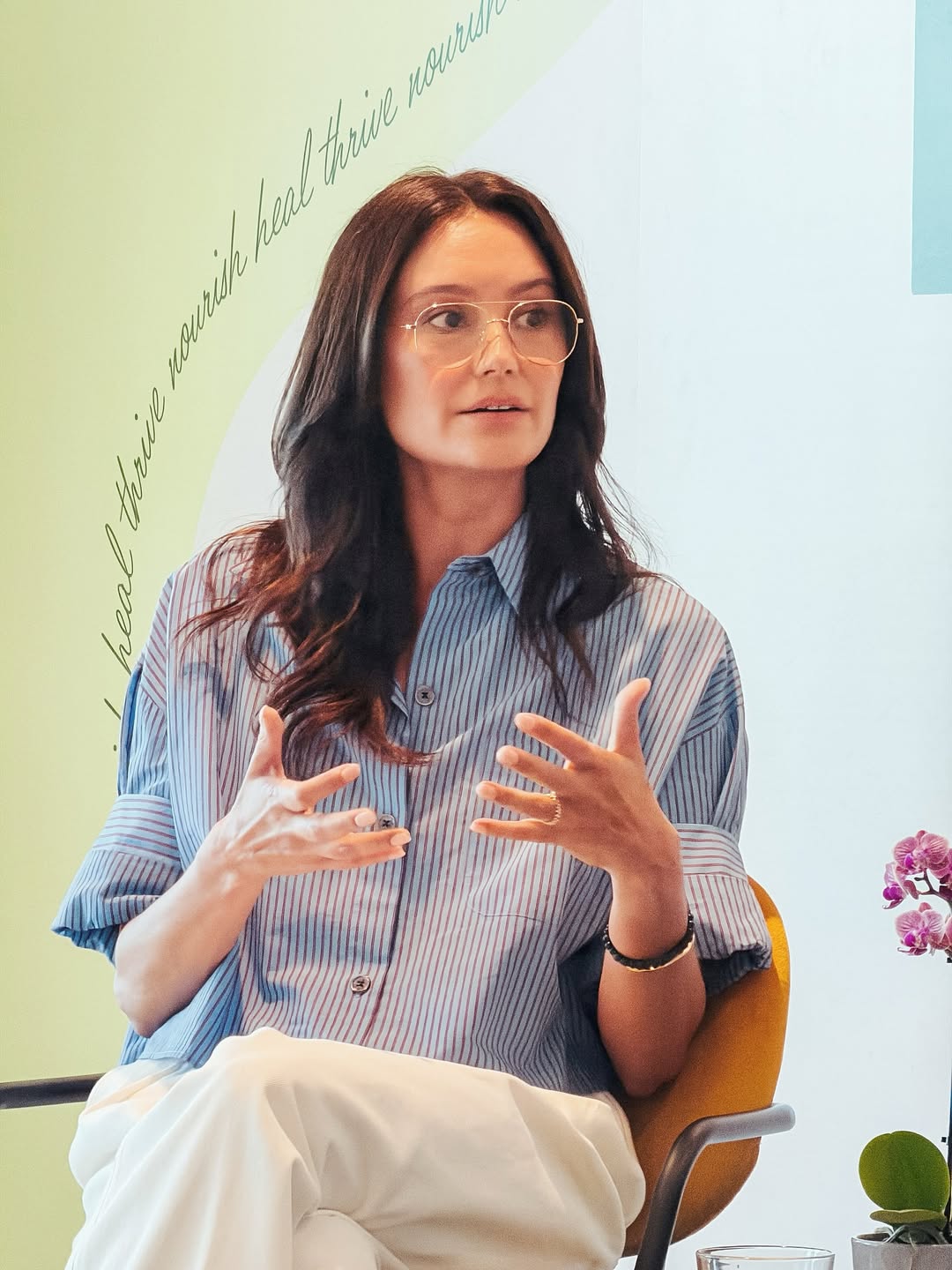
Emma Heming Willis is setting the record straight. Three years after her husband Bruce Willis was diagnosed with frontotemporal dementia, she is correcting a common misconception about the condition. The Die Hard actor’s wife of 17 years explained on a recent podcast episode that FTD has “three different variants” and that the one affecting Willis impacts language, not memory.
“The one that Bruce has affects language, but there’s another variant that will affect behavior and another one that could affect movement,” she shared on The Bossticks podcast. The 47-year-old addressed the question many fans have been asking. “So when people say, ‘Oh, you know, does he remember who you are?’ Well, he does because he doesn’t have Alzheimer’s; he has FTD.”
The confusion stems from how society understands dementia. Alzheimer’s disease, the most common form, primarily affects memory. FTD, however, attacks different parts of the brain. “That’s a different part of the brain,” Emma explained. “I think that’s a very common misconception that, when you think of dementia, we think of memory loss.”
FTD is actually the most common form of dementia for people under 60. Willis, now 71, was first diagnosed with aphasia in 2022 before his condition progressed to FTD a year later. The actor still recognizes his five daughters, Rumer, Scout, Tallulah, Mabel, and Evelyn, as well as his wife.
Emma has been open about the emotional toll of caregiving. She described the experience as “ambiguous loss”, grieving someone who is still alive. “Your person is there physically but maybe not mentally or emotionally,” she explained. “You are consistently in grief. I’ve just learned how to navigate it.”
The family has been transparent about their journey. Emma wants other caregivers to know they are not alone. She has become an advocate for FTD awareness, recently receiving the Susan Newhouse & Si Newhouse Award of Hope from the Association for Frontotemporal Degeneration alongside Bruce.
Emma continues to push for greater understanding of FTD. “Bruce is so beloved and he has such a global reach,” she said. “I knew that this announcement could hopefully change what people perceive dementia to be.”